Nobody’s Here and the Skee-Ball Still Works: Six 2026 Indies That Get the Off-Season Shore
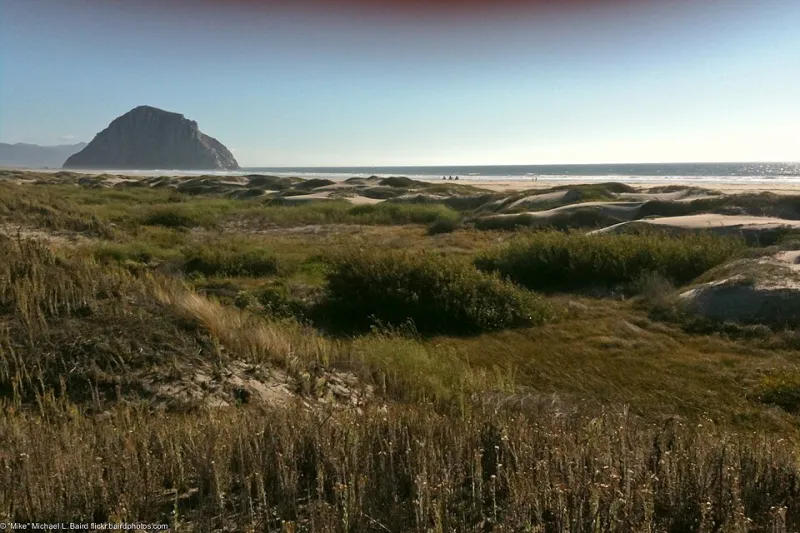
Photo: Mike Baird from Morro Bay, USA, CC BY 2.0, via Wikimedia Commons
The beach town in July is a sales pitch. The beach town in November is a confession. The boardwalk planks are gray, the motel sign has one working letter, and the arcade is open even though the only person inside is a teenager restocking prizes nobody will win until Memorial Day. That is not a failure of atmosphere. That is atmosphere with its shirt untucked.
Indie games have figured this out faster than big-budget productions. A faded shore town gives you texture without a texture budget: rust on the pier railings, a hand-lettered vacancy sign, the specific loneliness of a skee-ball lane glowing for no one. It also gives you stakes that are small enough to feel real. Fix the boiler. Find the missing key. Decide whether to sell the family motel. The ocean does not need to end the world. It just needs to keep making that sound.
For this list, we looked at six 2026 indies set in coastal towns after the tourists leave. We ranked them by how convincingly they capture that American shore-town limbo: the off-season rhythm, the upkeep, the nostalgia that smells like damp carpet and old popcorn. Your sunscreen can stay in the drawer.
Why the Off-Season Shore Beats the Postcard
Peak-season beach settings tend to flatten into a mood board: bright umbrellas, blue water, maybe a crab with an attitude. Off-season towns have edges. They have closed shutters and open diners. They have locals who are not performing hospitality for strangers. They have the feeling that the place is resting, but also that it might not wake up the same way next year.
That makes for better indie settings because the story can live in the maintenance. A loose board on the pier is not a platforming challenge. It is a thing someone has been meaning to fix since September. A blinking neon sign is not a collectible. It is the last argument between two siblings who inherited the place. Games are good at systems, and off-season towns are systems of small neglect.
How We Ranked Them
We looked for six things: whether the town felt lived-in rather than staged, whether empty spaces had their own pull, whether sound design used wind and fluorescent hum instead of constant music, whether NPCs felt like residents instead of quest dispensers, whether the game understood that maintenance can be a story, and whether the whole thing made us want to put on a hoodie and walk a jetty. We did not reward misery for its own sake. A good off-season shore game can still be funny. It should be funny. People who live in beach towns in November are usually pretty funny.
6. High Tide Vacancy
High Tide Vacancy is the coziest entry here, and that is both its charm and its limitation. You run a small motel on a Gulf Coast stretch where the snowbirds have not arrived yet and the summer crowd is a memory. Most of the game is cleaning rooms, fixing ice machines, and deciding which guest gets the room with the good window. The vacancy sign is a character. The carpet patterns are a threat.
It captures the off-season rhythm nicely: long mornings, short errands, a town that closes at 8 p.m. sharp. But it sands down the edges. The motel feels shabby in a decorative way, not a worrying way. We wanted a little more salt in the grout. Still, if you have ever eaten a gas-station sandwich on a motel balcony while the pool filter clicked on and off, this one will land.
5. Saltwater Arcade
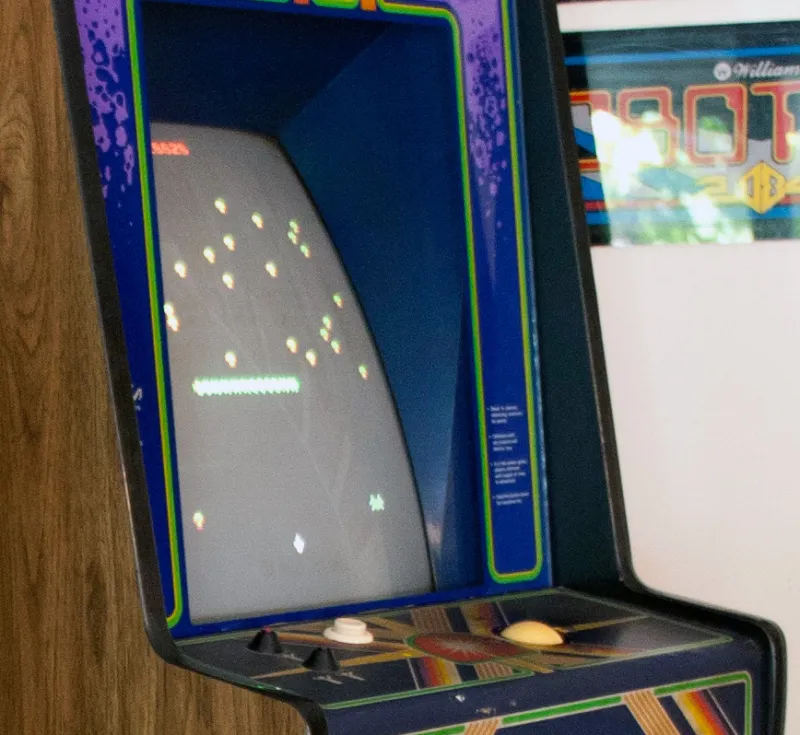
Saltwater Arcade has the best neon in the bunch. You inherit a boardwalk arcade in a Jersey Shore town after the season ends, and your job is to repair cabinets, coax the skee-ball lanes back to life, and figure out why the power keeps dipping when the fog rolls in. The game understands that an arcade off-season is a museum with a fuse box.
The cabinets are lovingly specific: chipped side art, sticky joysticks, a claw machine that has clearly seen things. But the writing keeps nudging you with objectives. A voice in your ear explains every emotional beat before the room has a chance to do it. The result is a good game that sometimes forgets to shut up. When it lets the fluorescent buzz and the distant surf do the work, it is terrific. When it explains the work, you can feel the spell break.
4. The Last Quarter
The Last Quarter is a small mystery set on a North Carolina barrier island where the ferry schedule matters more than the plot. You play a returning local sorting through an abandoned pier arcade and a stack of unpaid bills. The game’s best trick is its patience. It lets you stand at the end of a pier for a full minute without giving you a prompt. That minute is the whole point.
Its residents feel like people who have been stuck together for years and have run out of small talk. The dialogue is dry, tired, and occasionally very funny. The ranking ding comes from the map, which is a little too eager to guide you. Off-season towns are about knowing where things are because you have been there before. The Last Quarter sometimes forgets to trust you to wander.
3. Foglight Flippers
Foglight Flippers takes the Pacific Northwest coast and gives it a pinball parlor that should not still be open. The town is barely a town: a diner, a bait shop, a laundromat, and a pier that groans in the wind. You split time between repairing pinball machines and piecing together why the owner vanished. The fog is not weather. It is a co-worker.
What works is the sound. Wind through cables, rain on a metal roof, the clack of a flipper in an empty room. What works less is the pace. The game loves its own gloom a little too much, and the middle act drags like a wet beach towel. Still, it nails a specific feeling: the off-season shore as a place where the arcade is the only warm room in town, and the warm room is not that warm.
2. Dune Motel
Dune Motel is set on the Outer Banks in the week after Labor Day, when the families leave and the locals reclaim the beach access road. You are helping run a family motel while your mother decides whether to sell it. The game turns small chores into a quiet argument about inheritance. Painting a railing is not busywork. It is a question.
The town feels properly American shore-town specific: sand in the entryway, a restaurant that closes when it feels like it, a fishing pier that is half business and half alibi. The game also understands that nostalgia is not always warm. Sometimes it is a leaky roof you have been meaning to fix since you were a kid. Dune Motel loses the top spot only because its final act gets a little too tidy. The off-season shore does not resolve. It just changes the light.
1. Boardwalk Static
Boardwalk Static wins because it trusts the empty boardwalk to be interesting. You play a night-shift radio host in a faded Coney Island-style town, reading local ads and taking calls from the few people still awake. The arcade below your studio hums. The pier is closed. The town is not dead, but it is definitely not open.
The game’s genius is that the boardwalk is not a level. It is a place you walk because walking is what you do when you are avoiding a phone call. The salt-rust is everywhere: on the railings, in the radio static, in the way people talk about the summer that just ended. Nothing big happens for long stretches, and that is the point. Boardwalk Static gets that off-season beach towns are not sad because they are empty. They are sad because they are still trying.
The Tide Goes Out, the Town Stays
None of these games are postcards. That is why they work. The off-season shore is a setting for upkeep, memory, and the low-grade comedy of a town that refuses to close properly. In 2026, indies are doing more with a gray boardwalk and a flickering sign than most games do with a whole apocalypse. Bring a hoodie. The arcade is still humming.